Wait, They're Actually Learning? The Magic (and Mayhem) of Educational Games
Is your kid just popping balloons, or are they secretly building the neural pathways for a future rocket science degree? Spoiler: It's both.
Let’s be honest for a second. As parents, we’ve all had that moment of "screen-time guilt." You’re trying to cook dinner without burning the house down, and you hand over the tablet. You tell yourself it’s educational, but in the back of your mind, you’re wondering if you just traded their future Harvard degree for fifteen minutes of quiet.
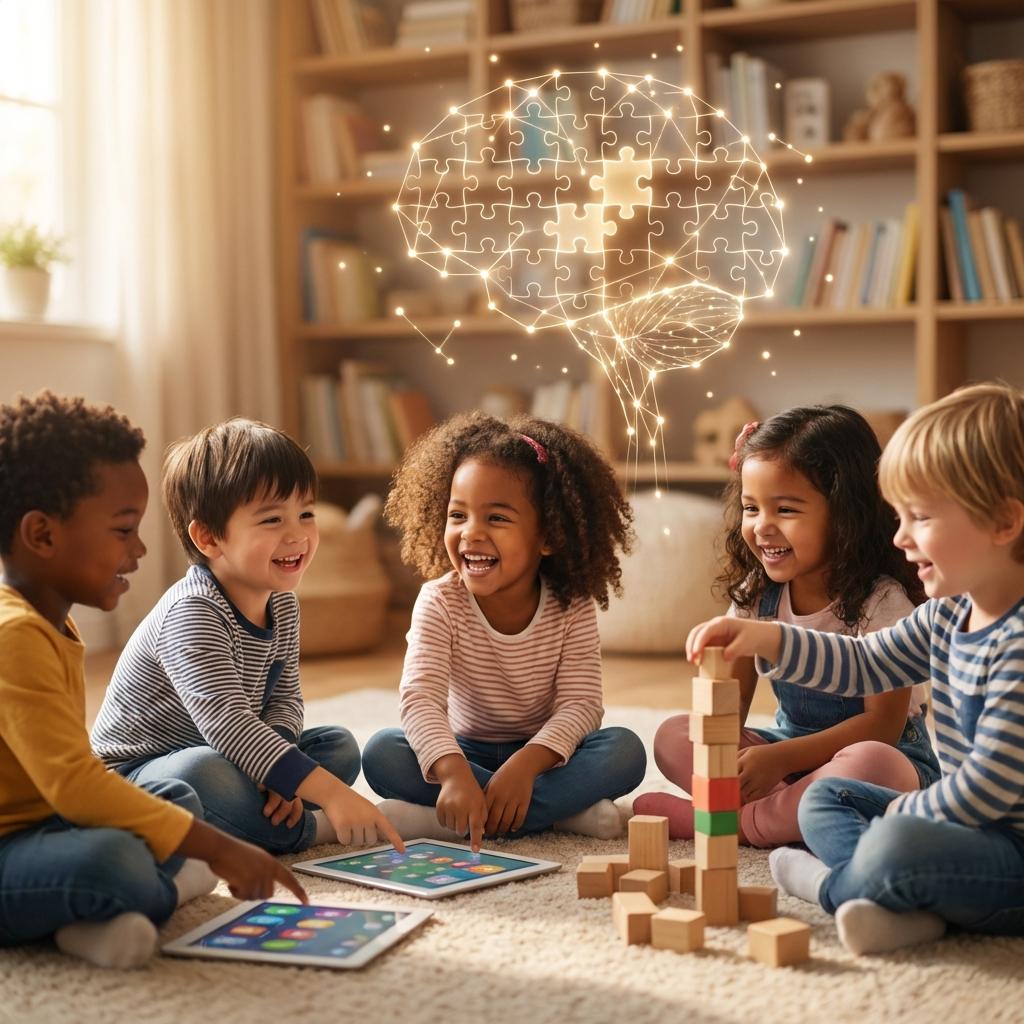
Well, take a deep breath and put down the spatula. Science has some pretty great news for us: When kids play well-designed games, their brains aren't just "switching off"—they’re lighting up like a Christmas tree in a power surge.
The 'Wait, That's Science?' Moment
When a toddler pops a digital balloon or matches a shadow, they aren't just clicking buttons. They’re practicing visual discrimination (telling things apart), spatial reasoning (understanding where things go), and executive function (planning and staying focused). It’s cognitive CrossFit, but with more sparkles and fewer gym memberships.
The emotional payoff is even bigger. Watching a child struggle with a puzzle, stick with it, and finally hear that "Ding!" of success? That’s resilience in action. It teaches them that frustration is just a temporary bug on the way to a victory. That’s a lesson that stays with them long after the tablet is charging.
Our Top Mind-Builders (Tested by Mini-Humans)
If you’re looking to turn that screen time into brain time, here are four favorites from our Free Games on KidoJam collection that we absolutely swear by:
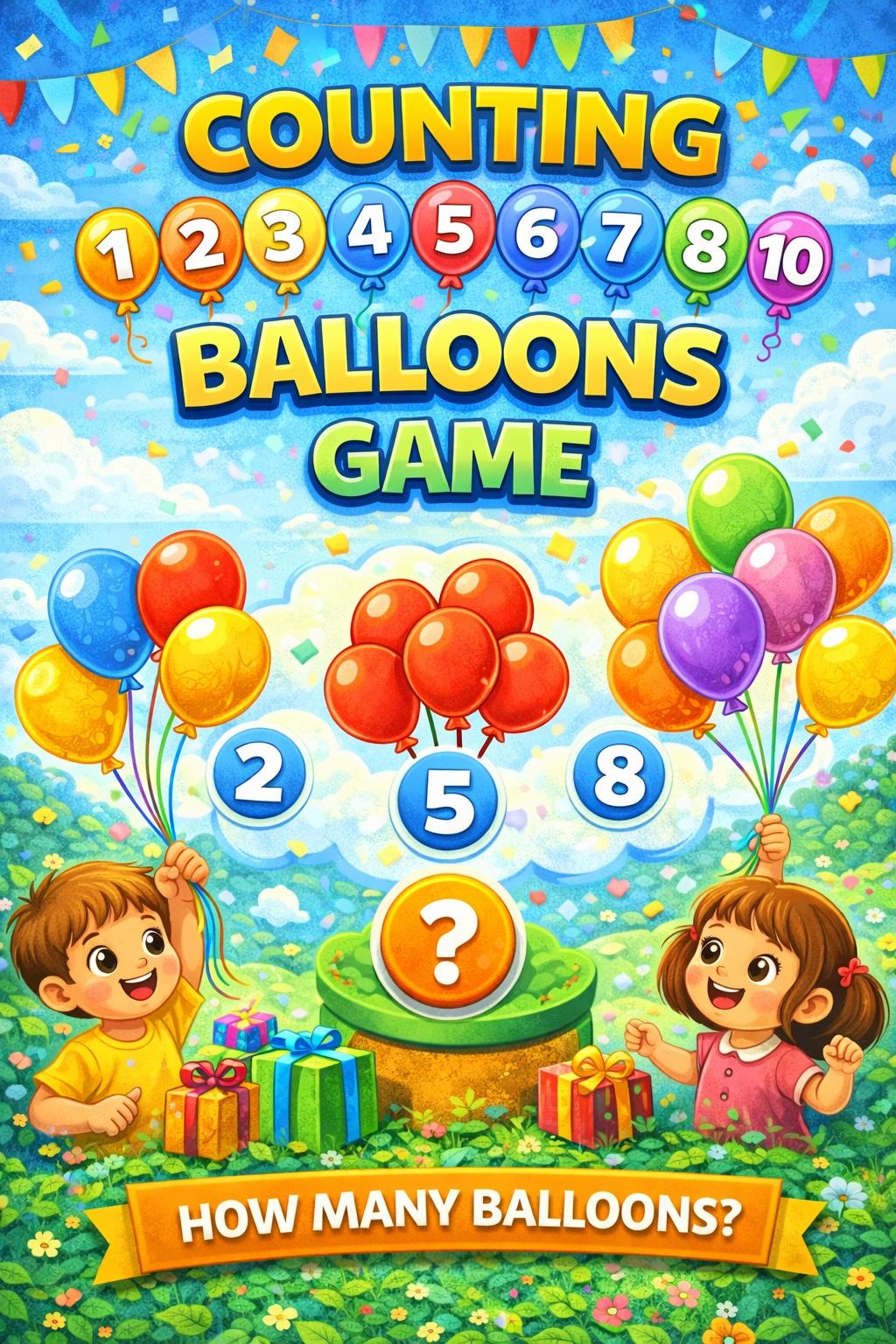
🎈 Counting Balloons
It’s the gateway drug to mathematics. They think they’re just popping things (which is universally satisfying), but they’re actually building 1-to-1 correspondence. It’s the foundation for literally every math skill they’ll ever need.
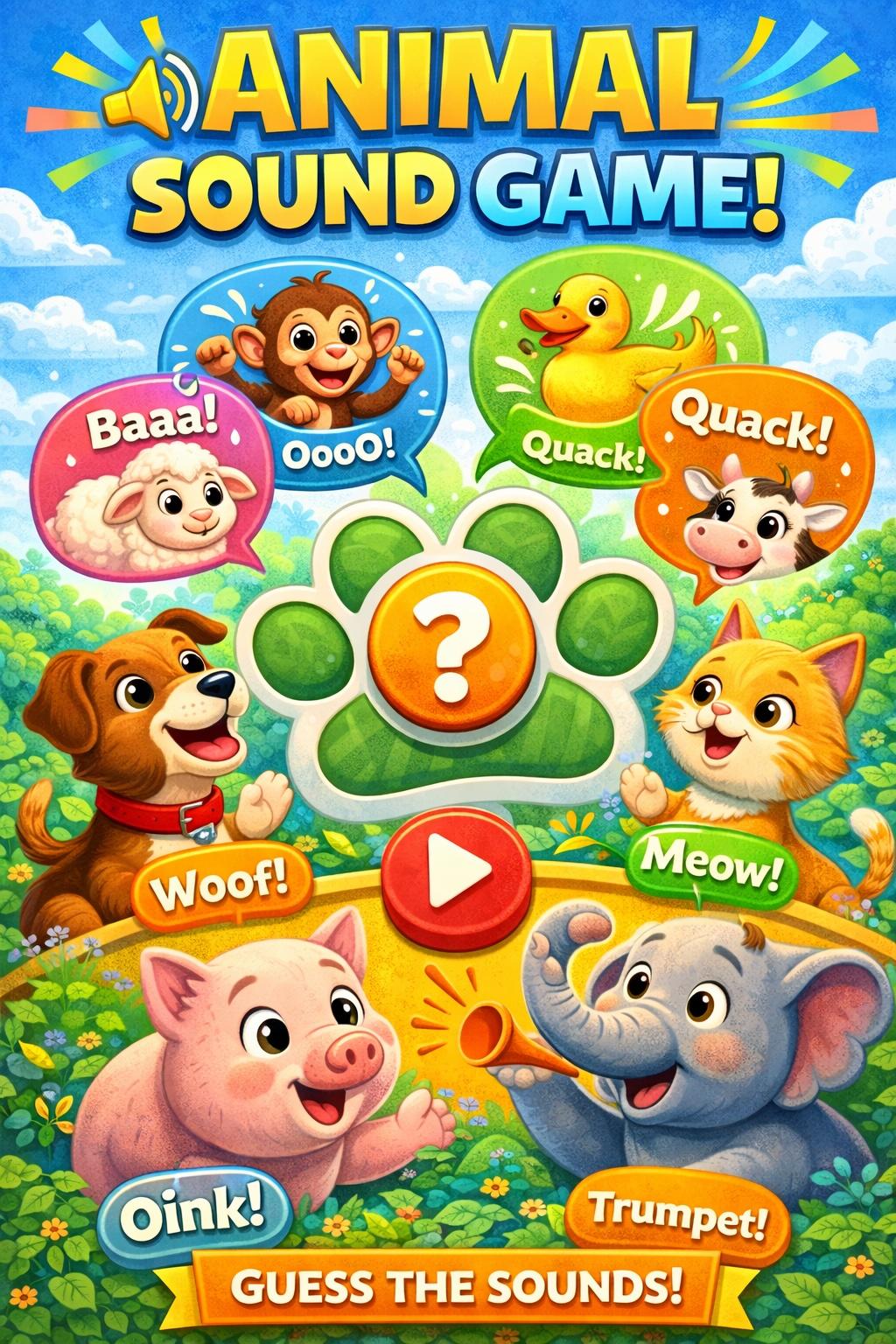
🐮 Animal Sounds
This is where auditory processing meets pure joy. Hearing a "Moo" and finding the cow builds language association and memory. Plus, it’s a great excuse for you to show off your own farm animal impressions. (We know you have a great sheep impression.)
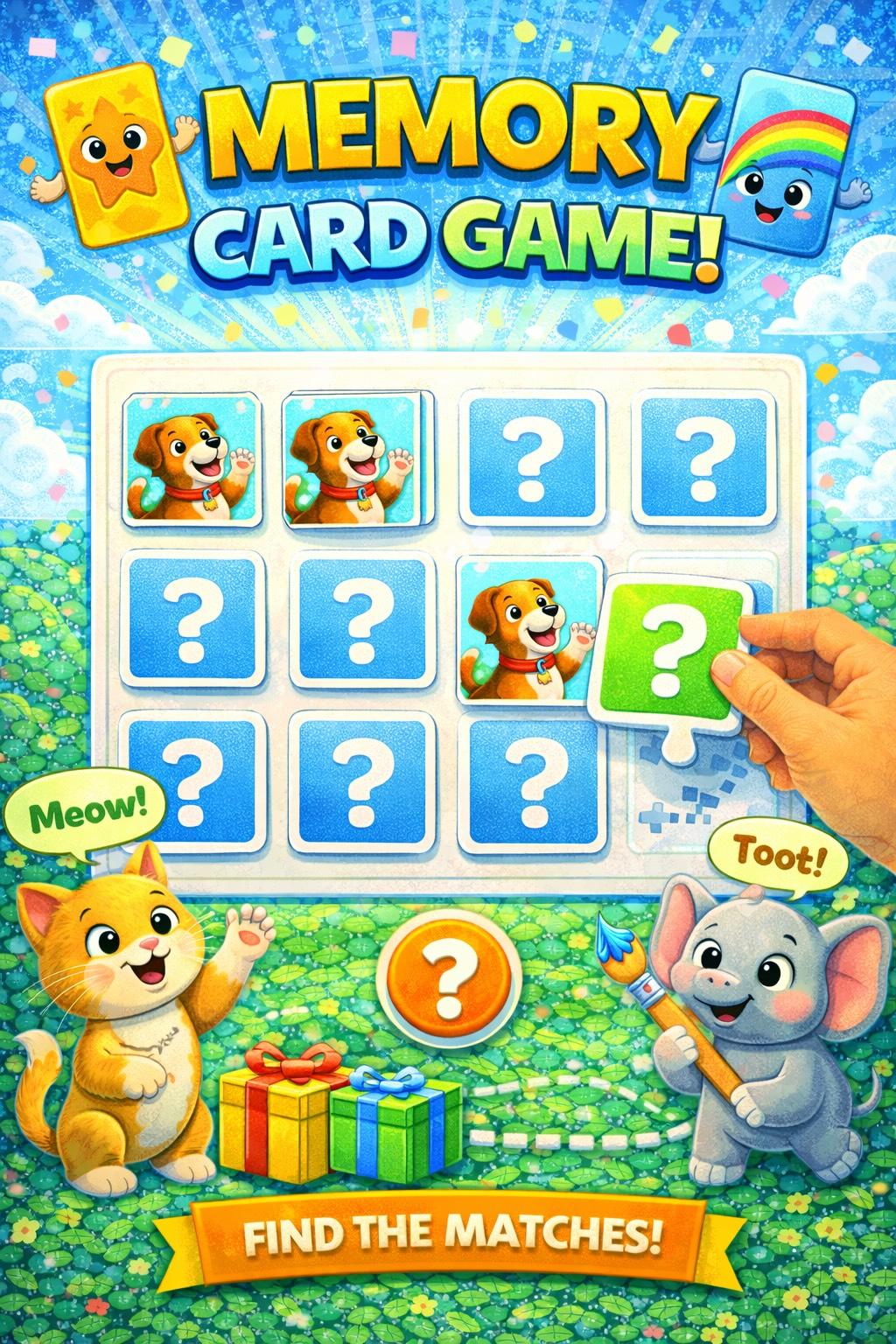
🧠 Memory Cards
This is the ultimate workout for the hippocampus. It builds concentration and visual recall. Warning: Your child will eventually get better at this than you, which is both impressive and slightly humbling.
🔍 Find the Difference
The ultimate test of patience and observation. It teaches kids to look beyond the surface and notice the tiny details. In a world of fast-scrolling, this game is a beautiful lesson in slowing down and paying attention.
So next time you hand over the tablet for a round of KidoJam, remember: you’re not just copping out. You’re coaching. Now go finish that dinner—you’ve earned it.
✨ Featured Reading & Games
Memory Cards
KidoJam
Find matching pairs! Flip cards to reveal pictures, then remember where they are. A classic memory game.
Why it's great
Memory games are proven to strengthen cognitive development. Starting with just 4-6 cards keeps it m
Counting Balloons
KidoJam
Pop colorful balloons while learning to count from 1 to 10! Each balloon pops with a satisfying sound, and a friendly voice counts along with your child.
Why it's great
This game brilliantly combines visual, auditory, and tactile learning. The floating balloon animatio
Animal Sounds
KidoJam
Match animals to their sounds! Hear "Moo!" and find the cow. "Woof!" - where's the dog? A fun listening game.
Why it's great
This game combines auditory and visual learning perfectly. Kids love animal sounds, and the immediat
Find the Difference
KidoJam
Spot the differences between two pictures! Look carefully - can you find all 3-5 differences?
Why it's great
This classic game builds crucial observation skills. The side-by-side layout makes it easy for young